
EMOTIONS & BEHAVIOUR • TRAINING INSIGHTS
Why excitement, uncertainty and stress can affect a dog’s ability to respond.
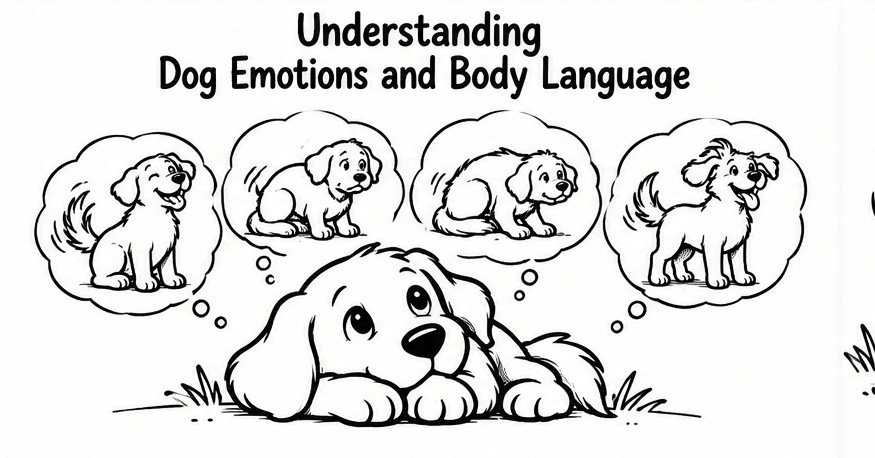
Arousal describes how activated or stimulated a dog is. It can rise during enjoyable play, frustration, uncertainty or fear.
High arousal is not automatically a problem, and not every excited dog is distressed. However, a dog experiencing intense stimulation may find it harder to focus on familiar cues, process new information or recover calmly from an event.
The visible behaviour does not always reveal the underlying emotion. Barking, rapid movement or difficulty settling can arise for different reasons, so interpreting these signs requires attention to the wider context and the individual dog’s body language.
Consider how your dog feels, what they have learned and how demanding the setting is. Make tasks easier or offer more support when they struggle to focus.
Further reading: AVSAB position statement on humane dog training.
Individualised training and behaviour support
Mizz Pawz provides reward-based dog training and behaviour support across Lanarkshire, with online sessions available across the UK.

